Power Purchase Agreements and Carbon Accounting: Why Your PPA Might Not Lower Your Disclosed Emissions
Australian corporates have signed billions of dollars of PPAs in the past five years. Most of them lower the company's market-based Scope 2 emissions. Some don't. The difference comes down to certificate surrender, contract structure, and a clause buried in AASB S2 paragraph 29(a)(v) that most signatories never read.
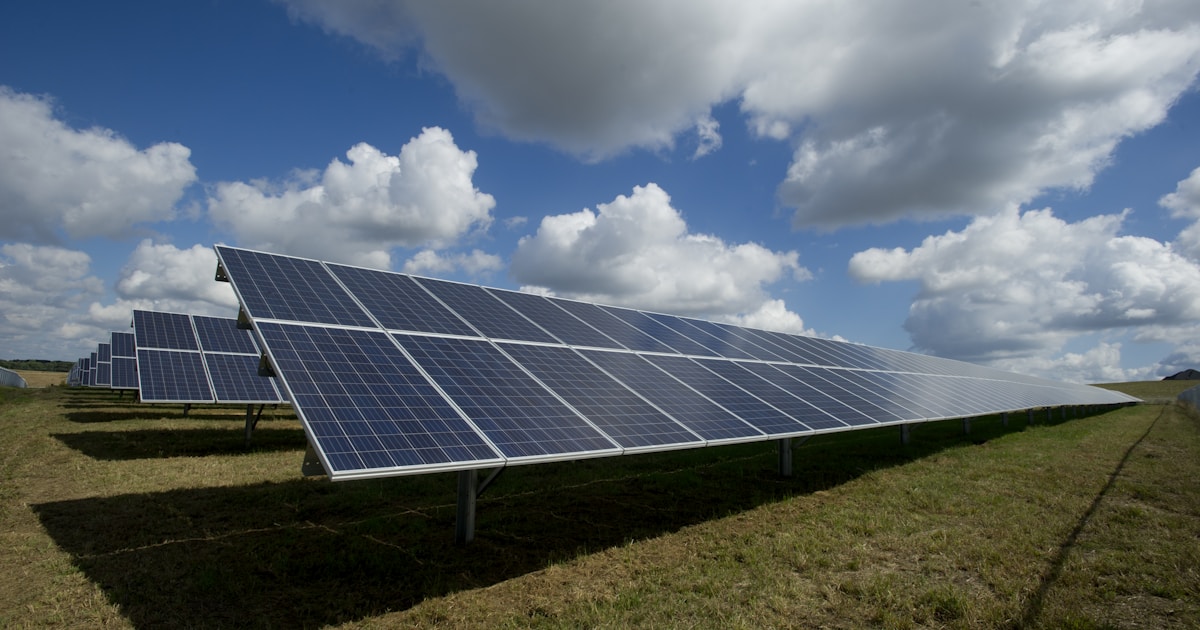
A 100 GWh corporate PPA with a Victorian wind farm sounds like a clear emissions win. At Victoria's grid factor of 0.78 kg CO2-e/kWh, that's 78,000 tonnes of avoided Scope 2 per year on the location-based method. But the disclosed number under AASB S2 might not change at all.
The reason sits in paragraph 29(a)(v) of AASB S2 and the underlying GHG Protocol Scope 2 Quality Criteria. A PPA only reduces your reported market-based emissions if it meets specific contractual instrument requirements. Otherwise, the PPA changes your physical electricity supply but not your accounting position.
It's a familiar pattern for Australian corporates signing PPAs. The signatories typically include a Chief Sustainability Officer, a CFO, a Head of Procurement, and external counsel. The contract gets executed. The renewable energy starts flowing. Two years later the AASB S2 auditor asks how the PPA is reflected in the market-based Scope 2 disclosure, and the answer is "we haven't worked out how to claim it".
Here's what actually has to be true for a PPA to lower your reported Scope 2.
The two PPA structures and what they mean for accounting
In Australia, corporate PPAs come in two main shapes:
Physical PPA (sleeved or direct). The renewable generator sends physical electricity to the corporate buyer through the grid, usually via a sleeving arrangement with a retailer. The buyer pays a contracted price per MWh for the energy. Large-scale Generation Certificates (LGCs) are typically created by the generator and either bundled with the energy or sold separately.
Virtual PPA (financial / contract for difference). The renewable generator sells electricity to the spot market at the prevailing wholesale price. The corporate buyer pays the difference between a contracted strike price and the spot price (positive or negative) without taking physical delivery. LGCs are typically delivered to the corporate buyer separately as part of the deal.
The accounting consequence is the same in both cases: what matters is whether the LGCs are surrendered against the corporate's electricity consumption. Without surrender, the renewable claim cannot be made.
What surrender actually means
LGCs are tradeable certificates issued by the Clean Energy Regulator under the Renewable Energy Target. Each LGC represents 1 MWh of accredited renewable generation. They can be:
- Surrendered against the mandatory Renewable Power Percentage by liable retailers
- Surrendered voluntarily by a corporate to back a renewable energy claim
- Sold on the open market (current price approximately AUD 4 per LGC, down from peaks above AUD 50)
- Held for future use
For a corporate PPA to reduce market-based Scope 2 under the GHG Protocol Scope 2 Guidance, the LGCs associated with the renewable generation must be surrendered against the corporate's electricity consumption. The surrender must happen in the GreenPower Registry or equivalent, and it must cover the same reporting period as the consumption being claimed.
The corporate that buys energy under a sleeved PPA but allows the generator to sell the LGCs to a third party has not made a renewable claim. The energy it physically consumed had renewable origin, but the accounting requires the certificate, not the electron.
Where AASB S2 paragraph 29(a)(v) lands
Paragraph 29(a)(v) of AASB S2 requires entities to disclose Scope 2 emissions using both the location-based method and the market-based method, where the market-based method "takes account of contractual arrangements with the entity's electricity suppliers".
The standard then refers to the GHG Protocol Scope 2 Quality Criteria, which sets eight conditions a contractual instrument must meet to be claimed in the market-based number:
- The instrument conveys the GHG attribute claim
- The instrument is the only basis on which the GHG attributes are claimed
- The instrument is tracked and redeemed, retired, or cancelled
- The instrument is as close as possible to the period of consumption
- The instrument is sourced from the same market in which the electricity was consumed
- The generation is verified by an independent third party
- The supply is properly attributed to the buyer
- The instrument's vintage is appropriate
For Australian PPAs backed by LGC surrender, conditions 1, 2, 3, 5, 6, and 7 are typically satisfied. The trip-ups are usually conditions 4 (vintage timing) and 8 (vintage age). GreenPower has a 27-month vintage window. LGCs surrendered outside that window may not qualify.
The "additionality" question that doesn't matter for Scope 2
A common misconception: that a PPA must be "additional" (it must drive new renewable build) to count for Scope 2 accounting. The GHG Protocol Scope 2 Quality Criteria do not require additionality. They require certificate surrender meeting the eight conditions.
Additionality matters for SBTi target validation and for credibility under ACCC greenwashing scrutiny. It does not change the market-based Scope 2 number under AASB S2.
This trips up sustainability teams who refuse to claim a PPA in their accounting because it's "not additional", and end up over-reporting their Scope 2. The accounting rule is what it is. The credibility test is separate.
The split incentive in sleeved PPA contracts
Most sleeved PPA contracts in Australia are structured so that the LGC surrender happens automatically. The retailer doing the sleeving surrenders the LGCs against the corporate's account each quarter and provides surrender certificates as part of the billing pack.
Some contracts are structured differently. The generator retains the LGCs and sells them on the open market. The corporate pays for the energy alone. In this case, the PPA does not lower market-based Scope 2 unless the corporate buys and surrenders LGCs separately.
If you're a corporate signatory looking at a multi-year PPA you didn't write, this is the clause you need to find. Search the contract for "Large-scale Generation Certificates" or "LGCs" and trace what happens to them. If they go to a third party, your renewable claim depends on you buying replacement LGCs.
The location-based number doesn't move
PPAs and LGC surrenders affect the market-based Scope 2 number only. The location-based number is calculated using the grid emission factor for the state where the consumption happens, and is independent of any contractual instruments. AASB S2 requires both numbers to be disclosed. A PPA-backed corporate will show:
- Location-based Scope 2: same as a non-PPA corporate with the same consumption
- Market-based Scope 2: reduced by the surrendered LGCs
The gap between the two is the renewable claim. If the gap is large, the methodology note has to support it convincingly. If the auditor doesn't believe the surrender records, the gap closes back up under reasonable assurance.
We've covered the location vs market based methodology in detail before. PPAs are the practical case where the distinction matters most.
What about behind-the-meter solar?
Behind-the-meter generation is treated differently. Solar on your factory roof reduces your purchased electricity from the grid, which reduces both location-based and market-based Scope 2. There's no LGC consideration because you haven't purchased grid electricity for the on-site generation.
If your behind-the-meter solar generates more than you consume and you export to the grid, the exported electricity creates a Scope 1 / Scope 3 question depending on how it's contracted, but typically doesn't reduce your Scope 2 below zero.
The data trap with behind-the-meter solar: most companies underreport it because the production data lives in the inverter, not the utility bill. The bill alone shows net consumption, not gross consumption plus solar. To get the methodology right, you need the inverter data feeding into your emissions ledger alongside the utility invoice.
The case for and against retiring LGCs at AUD 4
LGC prices have collapsed from approximately AUD 50 in 2018 to around AUD 4 in 2025-26. At AUD 4 per certificate, surrendering LGCs to back a renewable claim costs the corporate approximately AUD 4 per MWh of consumption, or roughly AUD 0.004 per kWh.
For a corporate consuming 100 GWh per year, that's AUD 400,000 to fully back the renewable claim with surrendered LGCs purchased on the open market. Compared to a 10-year sleeved PPA, the open-market LGC route is materially cheaper for accounting purposes alone.
The argument for the PPA over the open-market LGC: PPAs typically lock in long-term electricity prices and provide a hedge against wholesale market volatility. The renewable claim is a side effect of a procurement decision. The argument for open-market LGCs: simpler, cheaper, no exposure to generation availability risk.
For accounting alone, both routes deliver the same Scope 2 reduction provided the LGCs are surrendered. The choice between them is procurement, not sustainability.
What your data system needs to capture
To produce a defensible market-based Scope 2 disclosure when you have PPAs and LGC surrenders:
- Retail electricity invoices with kWh per site, billing period, and any embedded LGC surrenders
- PPA settlement statements showing energy delivered, contracted price, and any associated LGC delivery
- LGC surrender records from the Clean Energy Regulator's REC Registry
- GreenPower purchase confirmations with surrender dates and vintages
- Behind-the-meter generation data from inverters or onsite meters
- Methodology documentation explaining the eight Scope 2 Quality Criteria as applied to each instrument
The first four are documents that need to flow into your emissions ledger continuously, not be assembled once a year for the annual report. The fifth needs to be tagged at the meter level. The sixth is the methodology note that the auditor will read.
The bottom line
A PPA is a procurement decision. A renewable claim is an accounting decision. They overlap but they're not the same thing. The corporates that get this wrong tend to either claim too much (counting unbacked PPA energy as renewable) or too little (refusing to claim PPA-backed renewable because of additionality concerns).
The discipline that solves both ends: every renewable claim traces to a surrendered certificate with documented vintage, source, and surrender date. Every Scope 2 disclosure shows location-based and market-based with the methodology note. The auditor can reconcile.
If you have a PPA and you're not sure how to reflect it in your AASB S2 Scope 2 disclosure, email hello@carbonly.ai or join the waitlist. Happy to talk through how certificate surrender records can be integrated with the rest of your emissions data.